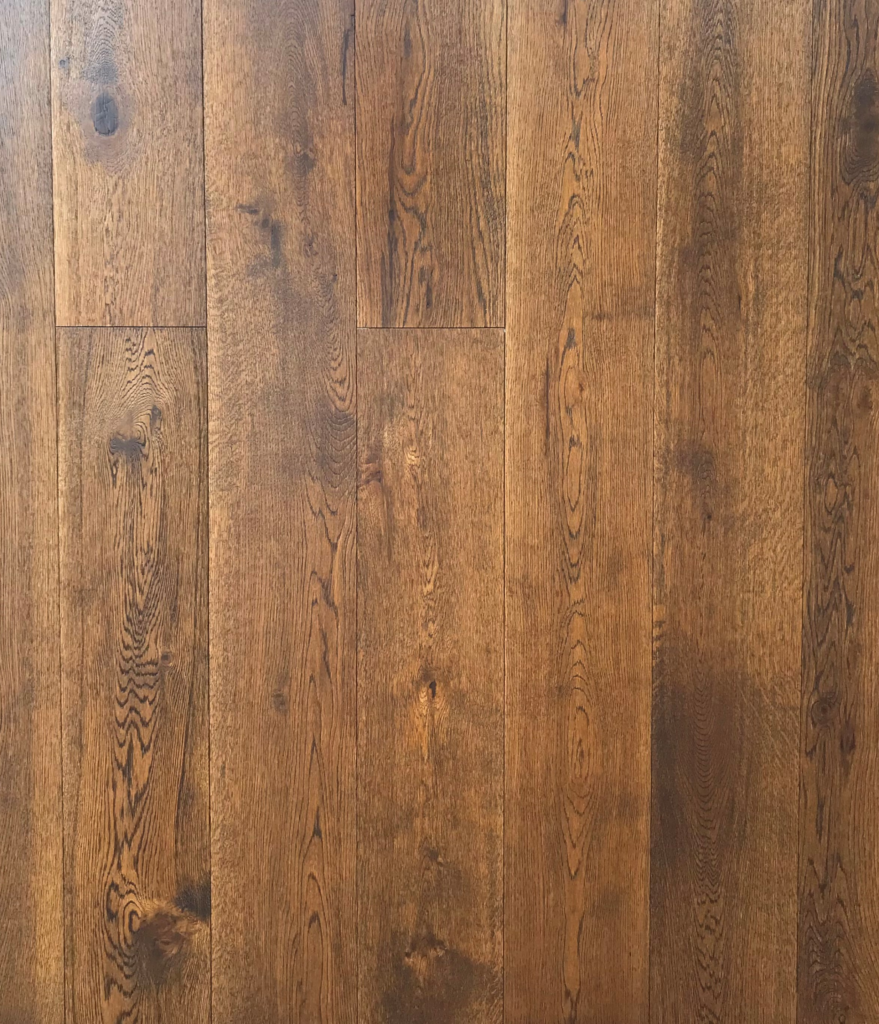
Creaky floors can turn a quiet home into a series of unexpected sounds. A step forward in the hallway or a shift near a doorway may trigger squeaks, pops, or groans that occur with daily movement. While common in many homes, these sounds typically point to friction between flooring layers, subfloor movement, or fasteners that have loosened over time.
Learning how to fix creaky floors starts with understanding what causes them, and how modern, premium flooring solutions can help reduce the likelihood of future noise.
Why Floors Start to Creak Over Time
Most creaking floors develop gradually as a home naturally settles. Seasonal humidity changes, temperature shifts, and everyday foot traffic all contribute to subtle movement within the flooring system.
Common causes include:
- Slight separation between subfloor and joists
- Loose nails or fasteners over time
- Expansion and contraction of wood materials
- Friction between flooring layers
These conditions are usually mechanical rather than structural, meaning they relate to movement rather than damage.
Before You Repair Your Floor: Identify the Type of Problem
Not every creaking floor requires a major repair. Some squeaks stem from minor movement between flooring components, while others may be related to subfloor conditions, humidity changes, or aging fasteners. Before reaching for tools or considering replacement, it helps to understand where the sound is coming from and what may be causing it.
The following steps can help you narrow down the source of the noise and determine the most effective path toward a quieter, more stable floor.
Step 1: Locate the Source of the Squeak
The first step in learning how to stop floor squeaks is identifying exactly where they occur. Walking slowly across the floor and applying pressure in different areas can help isolate problem spots.
Squeaks are often found:
- Near walls or baseboards
- Along joist lines
- In high-traffic pathways such as hallways and entryways
Marking these areas with masking or painting tape helps ensure repairs are targeted and efficient.
Step 2: Understand Your Flooring System
Different flooring constructions respond to movement in different ways. Solid hardwood, for example, tends to creak more noticeably because it expands and contracts naturally with changes in humidity, whereas engineered hardwood is generally more stable due to its layered construction.
In older homes or installations, squeaking can be more common simply because fastening systems and installation methods may not reflect today’s standards for stability and subfloor support.
Understanding how your flooring is built helps determine whether the sound is originating at the surface level or deeper within the subfloor system, which is key to choosing the right fix.
Step 3: Stabilize Movement Between Layers
Once the problem area is identified, repairs typically focus on reducing movement between flooring components.
Common solutions include:
- Securing loose boards into joists
- Reinforcing subfloor connections
- Reducing friction between layers with targeted repair methods
The goal is to eliminate the space where movement occurs, so sound is no longer produced during pressure changes.
Step 4: Consider Environmental Conditions
Wood flooring naturally responds to humidity and temperature changes, which can contribute to seasonal squeaking.
Controlling indoor temperature, humidity, etc., can help:
- Support consistent flooring expansion and contraction
- Reduce seasonal movement
- Improve overall floor stability over time
Environmental control is especially important in regions with significant seasonal variation.
How Modern Flooring Helps Prevent Creaking
While a creaking floor doesn’t necessarily require completely new flooring, it’s important to consider quality and durability for long-term performance. No flooring system is entirely immune to sound over time, but modern construction significantly reduces the conditions that typically lead to creaking.
Engineered flooring systems are designed to reduce movement at the source. Using layered construction to improve dimensional stability, engineered hardwood helps the floor respond more consistently to humidity and temperature changes. This reduces the shifting that often leads to friction and squeaking over time.
Luxury vinyl plank (LVP) offers similar benefits through rigid core construction, which minimizes flex underfoot and helps maintain a stable surface across the subfloor. When properly installed, both materials are significantly less prone to the movement that causes squeaky wood floors in traditional systems.
Installation quality also plays a major role. Proper subfloor preparation, secure fastening, and correct acclimation all contribute to reducing long-term movement.
Frequently Asked Questions
Can you fix creaky floors without replacing them?
In many cases, creaky floors can be repaired without replacing the flooring itself. The solution often involves securing loose fasteners or addressing movement between the subfloor and joists. How these repairs are made depends on the location of the floor.
For upper-level floors, access may sometimes require working from below through the ceiling, while ground-level floors may require access through a basement or crawl space if available.*
Are creaky floors a sign of structural damage?
In most cases, no. Creaking is typically caused by natural settling, seasonal movement, or minor fastener loosening.
What type of flooring is least likely to squeak over time?
Engineered hardwood and rigid-core luxury vinyl plank (LVP) tend to perform best long-term due to their dimensional stability. When properly installed, these materials reduce the movement that commonly leads to floor squeaks.
Landmark Interiors Can Help You Create a Quieter, More Stable Home
Creaky floors are common, but they don’t have to be permanent. By understanding how construction and installation affect performance, you can either repair or replace noisy flooring with a long-term, durable solution.
Landmark Interiors offers engineered hardwood and luxury vinyl plank flooring solutions designed to support stability, durability, and everyday living. With thoughtfully engineered materials and design-forward finishes, you can create a home that looks beautiful and feels solid underfoot.
Explore Landmark Interiors’ collections by visiting a local retailer to find flooring solutions built for lasting performance and quieter living.
* Because every home is different, it’s best to consult us or a trusted general contractor to determine the most appropriate repair method for your situation.