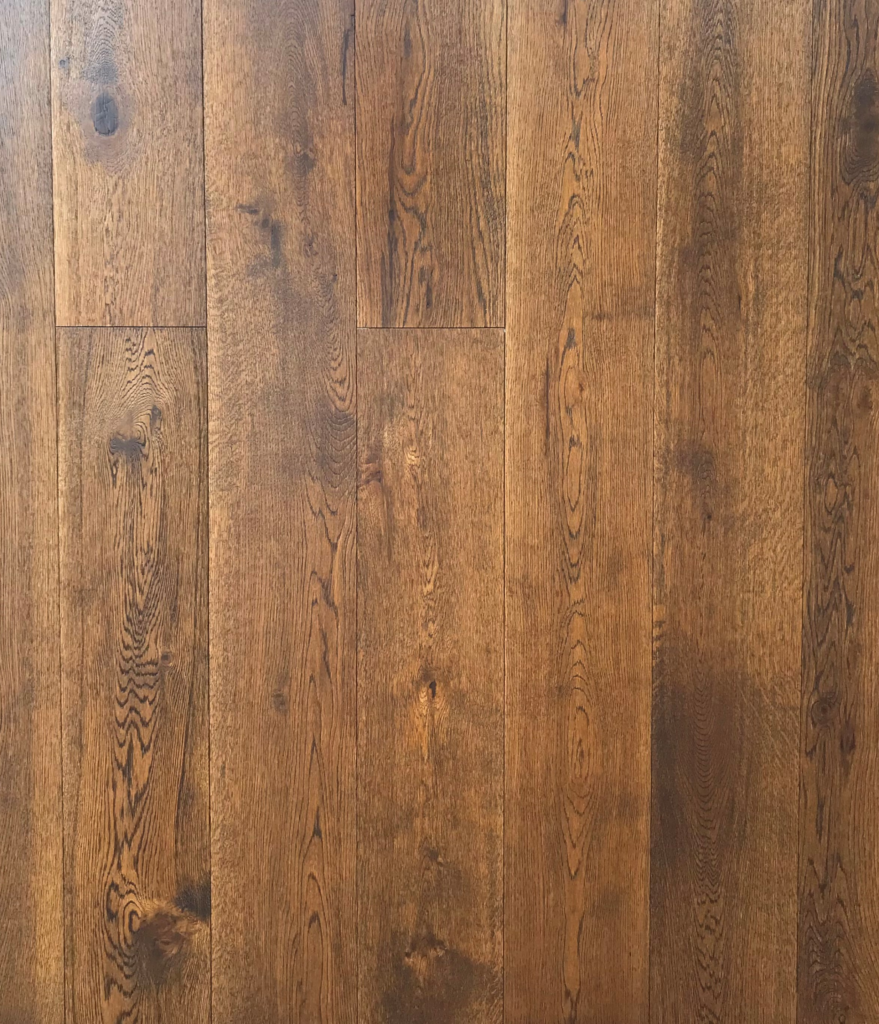
A home feels complete when all its elements—color, texture, lighting, and personal touches—work together. Flooring plays a key role, connecting each room and unifying your design choices.
Whether you’re renovating or just updating the flooring, choose a product that fits your space. Think about its comfort, how it complements your favorite home decor, and the warmth it brings as your space comes together. The right choice helps your home feel inviting.
Quick Guide: How to Match Flooring to Your Home Style
| Home Style | Color Palette | Recommended Flooring | Why It Works |
| Traditional | Warm neutrals, rich tones | Engineered hardwood | Natural tones with a layered look |
| Modern | Cool tones, clean contrasts | Luxury vinyl plank (LVP) | Sleek, versatile finish |
| Farmhouse | Soft whites, natural textures | Engineered hardwood | Warm, lived-in character |
| Transitional | Mixed warm and cool tones | LVP or engineered hardwood | Flexible, balanced design |
Start with the Mood of Your Home
The right flooring should enhance the unique character of your home, working with its existing atmosphere to create a harmonious look and feel. Before choosing a color or material, it helps to step back and think about how your home feels. Is it rooted in tradition, with original details and a sense of history, or does it have a more modern, streamlined look?
Homes built decades ago often carry warmth through architectural features, finishes, and layout. Flooring that reflects that character—like engineered hardwood with natural grain variation—can help maintain that sense of continuity. In more recently updated homes, contrast often plays a bigger role, pairing clean lines with subtle texture for balance.
Let Your Color Palette Guide the Foundation
Color shapes the mood of your home and helps every room feel connected. Since flooring is the foundation for your favorite furniture and décor, its undertone should blend naturally with the rest of your space.
Warm palettes—think soft beiges, creams, terracotta, rust, yellow, and brown wood tones—pair well with flooring that carries similar undertones. Cooler palettes, with grays or crisp whites and blues, often benefit from flooring that leans slightly cooler or neutral to avoid visual conflict.
Landmark Interiors engineered hardwood collections, like City of Oaks and Country Oaks, offer a range of warm tones that help bridge these palettes. These collections are thoughtfully crafted to deliver both lasting style and practical benefits, such as easy maintenance and resistance to everyday wear, making them a valuable foundation for your home. When everything in a home works together, the result feels intentional without being overly coordinated.
Consider Furniture Décor and Personal Details
Your flooring is part of your home’s story—it shares space with the cozy furniture you love, your artwork, and all the little details that make your space truly yours.
If your décor includes bold colors, layered textures, or statement pieces, a more neutral floor can create balance and allow those elements to stand out. On the other hand, in more minimal spaces, flooring can introduce subtle character through grain, tone, or pattern.
Think about what fills your home, including:
- Natural wood furniture or painted finishes
- Textiles like rugs, curtains, and upholstery
- Artwork, heirlooms, or collected pieces
The goal is to create a backdrop that lets these pieces shine, supporting what you love most about your home.
Think About How You Use Your Space
Design decisions often feel easier when they reflect real life. Consider how your home is used throughout the week.
Some homes are centered around gatherings—backyard barbecues, holidays, and full rooms of friends and family. Others lean into quieter routines, with evenings spent relaxing and spaces that prioritize comfort and ease.
For homes with frequent activity, luxury vinyl plank (LVP) offers durability and straightforward maintenance, helping surfaces stay consistent through foot traffic, spills, and daily movement. In spaces where flow between rooms matters—like in open-concept layouts—engineered hardwood can create a seamless transition from kitchen to living areas.
Don’t Overlook the Sensory Experience
Great design goes beyond what you see. Flooring also contributes to how a space feels in more subtle ways. Natural light can shift how tones appear throughout the day, making some floors feel warmer or cooler depending on placement. Underfoot comfort matters in spaces where you spend time standing or moving. Even sound plays a role as some materials absorb noise, while others reflect it, changing the overall atmosphere of a room.
These details might not stand out immediately, but together they shape how comfortable and cohesive your home feels over time.
Bring It All Together with Landmark Interiors
Matching flooring to your home’s color scheme and décor means finding a balance between style, function, and how your home is lived in.
Landmark Interiors offers premium flooring solutions that support a range of home styles, from classic to contemporary. With engineered hardwood and luxury vinyl plank options, you can create a foundation that feels cohesive, durable, and tailored to your space.
Additionally, our digital design tools, including the Flooring Visualizer and Look Book, make it easier to explore how different tones and materials will look before making a final decision. Prefer to see flooring materials up close? Find a Landmark Interiors retailer near you to work with one of our local experts!
Frequently Asked Questions
How many different flooring types should I use throughout my home?
A helpful design guideline is to limit your home to a small number of flooring types to maintain visual consistency. According to House Digest, many designers follow a “rule of three,” meaning no more than three different flooring materials are used throughout a home. This approach helps create a cohesive flow while still allowing for variation between rooms.*
For example, you might pair engineered hardwood in main living spaces with luxury vinyl plank in high-traffic or moisture-prone areas, keeping tones consistent so transitions feel intentional rather than abrupt.
How do I make sure my flooring matches my furniture and décor?
Start by identifying the dominant undertones in your space, whether they lean warm, cool, or neutral. From there, choose flooring that complements those tones rather than matching them exactly. Contrast can help define a space, while similar undertones create a more seamless, layered look.
It’s also helpful to consider texture and scale. For example, bold furniture or detailed décor often pairs well with more understated flooring, while simpler interiors can benefit from added visual interest underfoot.
What flooring works best for both design and everyday living?
Flooring that balances style and performance often includes materials such as engineered hardwood and luxury vinyl plank (LVP). These options are designed to handle daily activity while maintaining a polished appearance over time. Both engineered hardwood and vinyl flooring perform well in their resistance to scratches, stains, and wear, making them practical choices for active households.
Create a Home That Feels Complete with Landmark Interiors’ Flooring
The right flooring ties your home together—connecting colors, décor, and the way you live each day. When you consider the look, feel, and flow of your space, you can more easily choose a flooring solution that fits the atmosphere of your space.
Explore Landmark Interiors’ premium flooring solutions online or by visiting a local retailer to find a solution that reflects your home’s style and supports the way you live.
* Source: House Digest